

In the early days of the high-yield underworld, the HYIP was a crude and clumsy beast. It was a poorly designed website, built on bad, pirated scripts, hosted on a server in a digital back alley, and prone to collapse under the slightest technical stress. Today that creature has evolved. We are now in the midst of a technological arms race. The modern, professional new HYIP is no longer just a financial trap; It is a sophisticated piece of software engineering, a purpose-built weapon of deception. The new breed of 'long game' admin isn't just a scammer; They are a project manager who is investing heavily in a technology stack designed to maximize reliability, ensure stability, and process transactions with the seamless efficiency of a legitimate fintech startup. To the untrained eye, this technological sophistication makes a new project safer and more reliable. However, to the trained forensic analyst, this technology stack is merely a digital biography of the scam. It tells the detailed story of the administrator's budget, their level of expertise, their ambitions, and their potential timelines. Learning to read this story – analyzing scripts, security protocols, and user interface – is the most essential skill of the modern player. You are no longer just betting on an event; You are betting on your ability to reverse-engineer its architecture.
This development is driven by necessity. As the pool of potential investors has become more tech-savvy and more aware of classic red flags, administrators have been forced to step up their game.A generic template on shared hosting no longer fools anyone but the most desperate and gullible people. To attract the serious capital needed to make a large-scale Ponzi profitable, the administrator must put on a facade of complete professionalism. This requires significant upfront investment in technology. They're spending real money to create a convincing illusion, and by analyzing the quality and cost of that illusion, we can estimate the scale of their operations. It's about looking beyond the '10% a day' promise and instead asking: is this website running on a $5,000 custom script or a $50 licensed template? Is it protected by a $1,000-per-month DDoS mitigation service or nothing at all? The answers to these questions are infinitely more revealing than any marketing copy on the homepage.
Author: Edward Langley, London-based investment strategist and contributor to several financial watchdog publications. He focuses on risk assessment and online financial security.
The script is the heart of any HYIP. It is management software that handles user registration, processes deposits, calculates interest and executes withdrawals. For years, the market was dominated by a single name: Goldcoders. This licensed script was (and still is) popular because it is relatively inexpensive, easy to deploy and familiar to a generation of players. However, its ubiquity is now its greatest weakness.An experienced analyst can recognize a Goldcoders script from a mile away by its URL structure and dashboard layout. For a professional administrator looking to project an image of exclusivity and legitimacy, a generic Goldcoders script is no longer good enough.
This has led to the rise of custom-made or heavily modified scripts. A serious administrator will hire a team of freelance developers to build a unique platform from the ground up. What does this signal to an analyst?
How do you spot the difference? Look for the little things.Does the user dashboard have a unique layout and features you've never seen before? Is the URL structure clean and logical, rather than the cluttered, parameter-filled URLs of old scripts? These are the fingerprints of custom development.
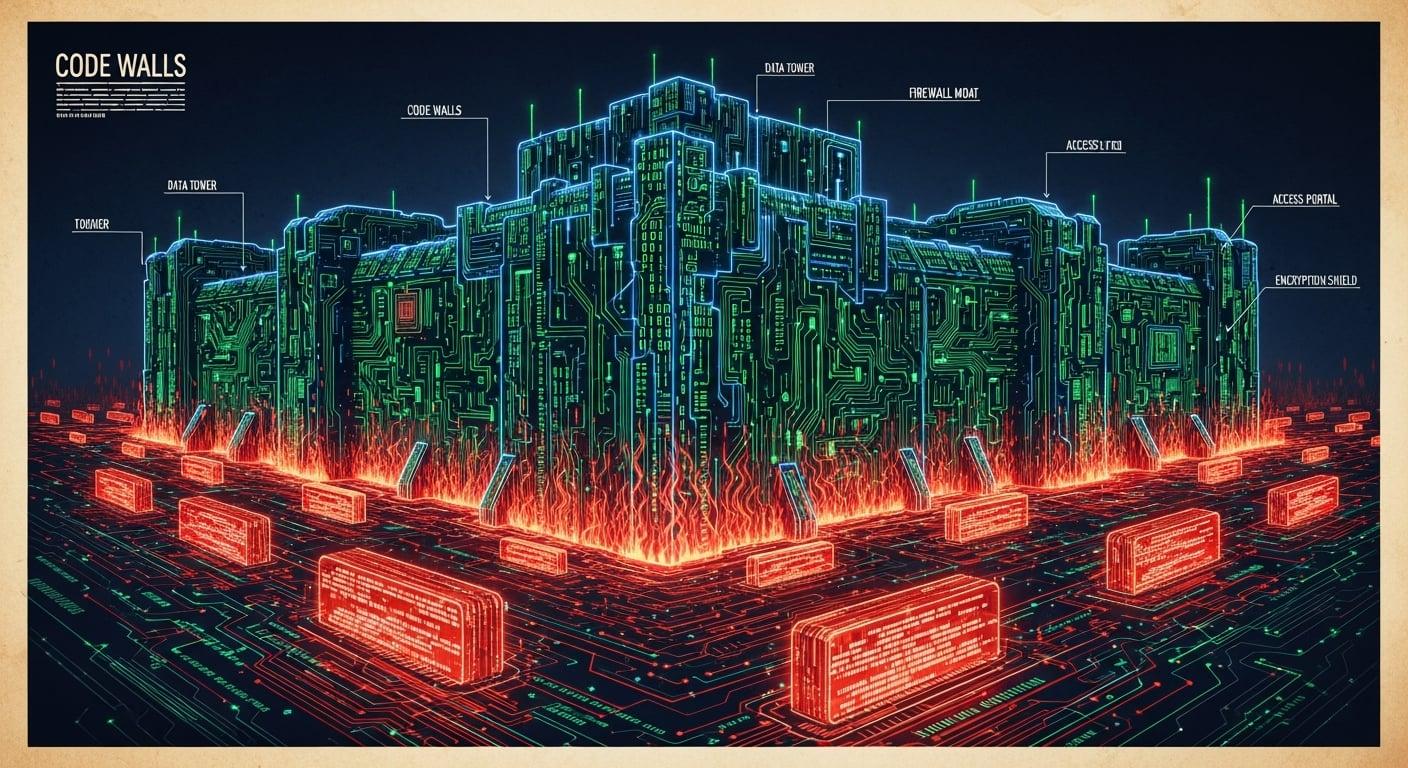
HYIP's biggest operational threat is not law enforcement; This is a rival scammer or a disgruntled investor with access to a cheap DDoS service for rent. A distributed denial-of-service attack can take a website offline, preventing new deposits from coming in and causing panic among existing users. A professional administrator knows that uptime is paramount. That's why security and hosting infrastructure is one of the most important aspects of the quality of a new project.
This infrastructure is not about protecting investor data; It is about protecting the revenue flow of the administrator. An administrator who invests heavily in this digital fortress is signaling his intention to keep the doors open for business as long as possible in order to maximize his stake.
The final layer of the modern HYIP's technology stack is its user interface. The days of flashing GIFs and garish, cluttered designs are largely gone from the professional side of the market. Today's 'long game' HYIPs look and feel like legitimate fintech applications. Admins are hiring real UI/UX designers to create clean, intuitive, and reliable interfaces. They use a corporate color palette (blue, green and white), professional stock photography and minimalist layouts to psychologically distance their project from the stereotypical image of a scam. A smart, mobile-responsive design that works flawlessly on phones is no longer a luxury; This is a standard feature for any project aiming to attract a global, tech-savvy audience. By presenting a polished, professional face, the administrator lowers the user's cognitive defenses, making the impossible promises printed on that beautiful interface seem a little more plausible. This investment in design is the final, critical component of the technological arms race, and another clear sign of the administration's ambition and commitment to their craft.